

Why High-Performance Plastics Matter in Environmental Systems
Environmental equipment runs in water, chemicals, weather and abrasive media around the clock. Performance plastics resist corrosion and chemical attack, weigh less than metal and need less frequent maintenance and replacement.
Advantages may include
- Long service life
- Corrosion and chemical resistance
- Low coefficient of friction
- UV and weather resistance
- High strength at light weight
- Recyclable
- Less frequent maintenance and replacement
- Ease of processing and forming
Quick Specs
-
Temperature range (continuous + peak)
-
Chemical exposure / environment
-
Load, wear, or impact
-
Tolerances + inspection needs
-
Documentation / traceability
Certifications + Traceability
Environmental Plastics Applications We Support
Below are the environmental applications where performance plastics most often replace metal or extend service life.
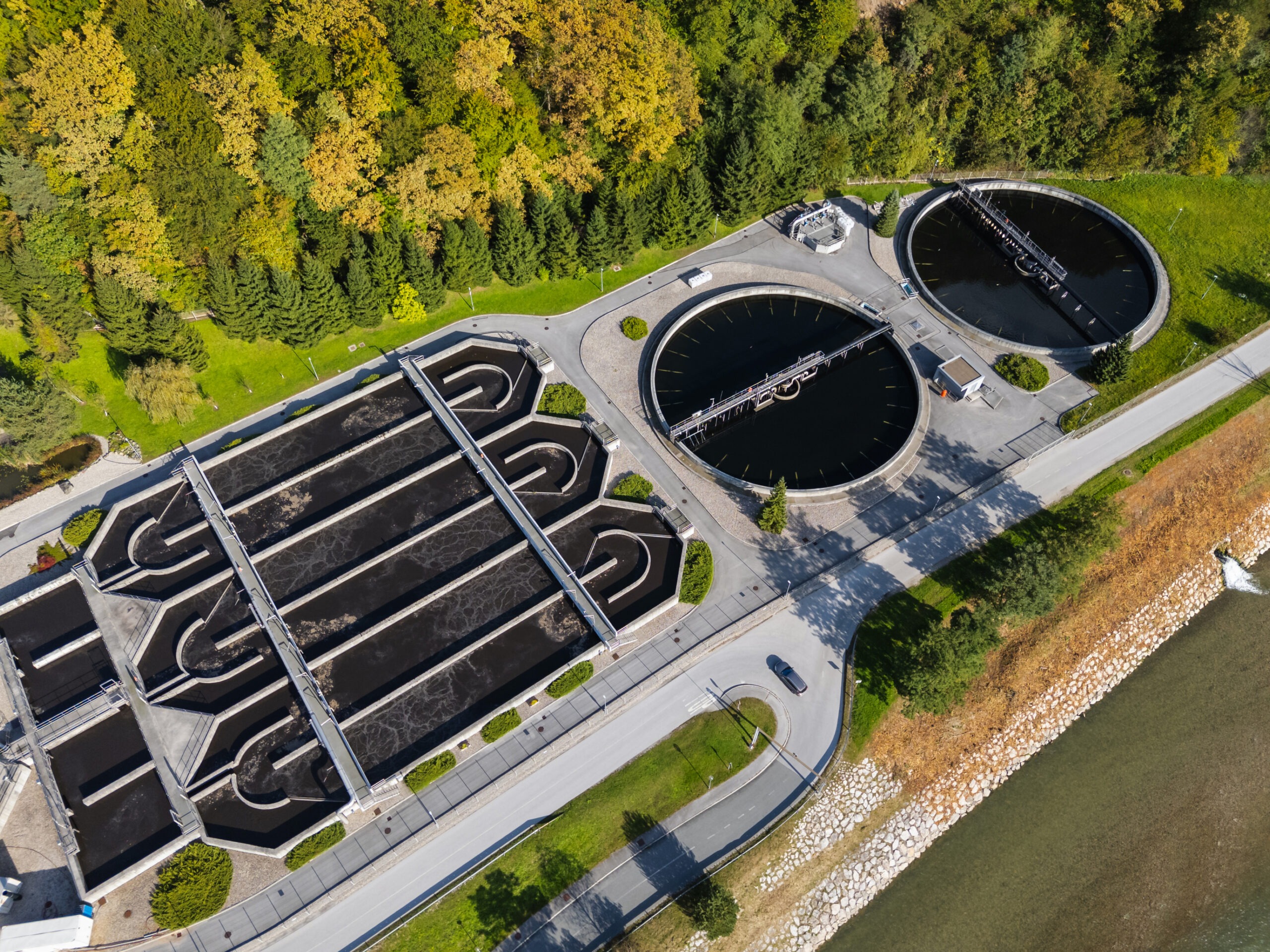
Water & wastewater treatment
Filtration systems, pumps and valves, piping systems and reverse osmosis components that resist corrosion and chemical attack.
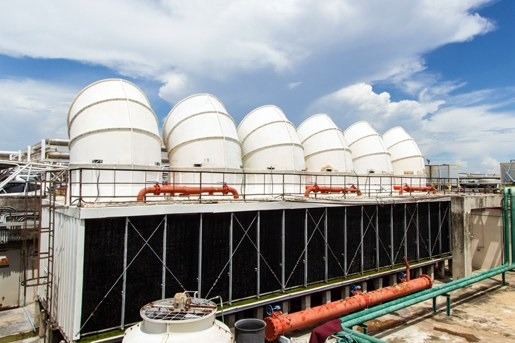
Air pollution control
Industrial air scrubbers, ductwork, air filtration components and gas treatment equipment built to handle corrosive gases.
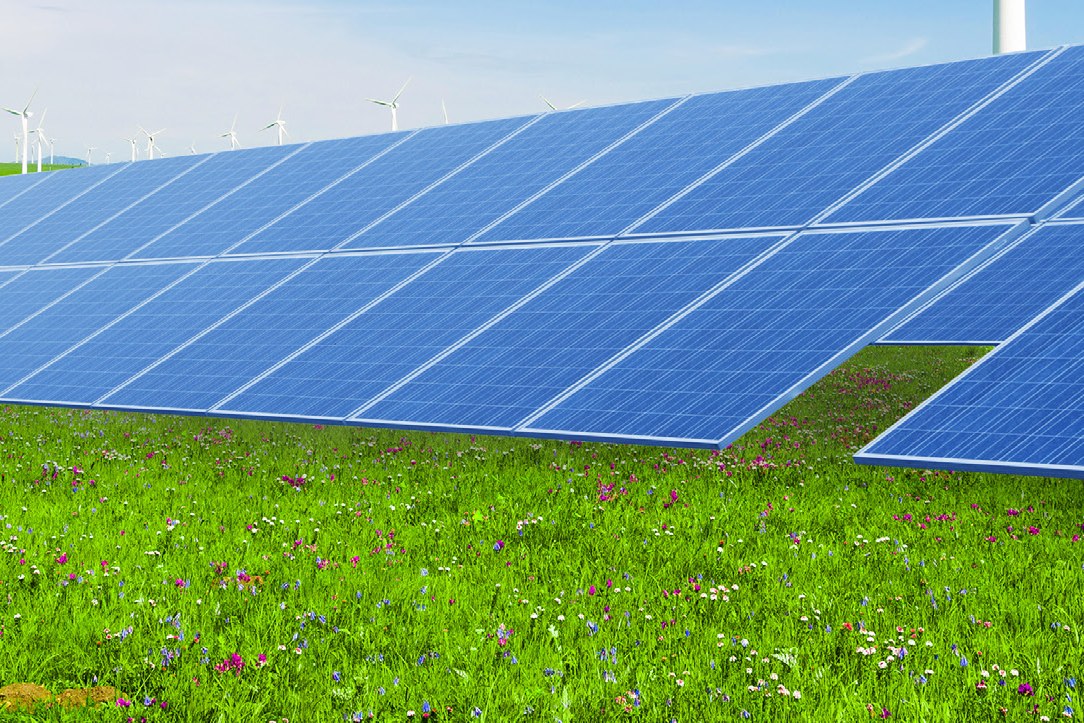
Renewable energy: solar, wind & fuel cells
Bearings and bushings, electrical insulation, structural composite components and hydrogen system components.
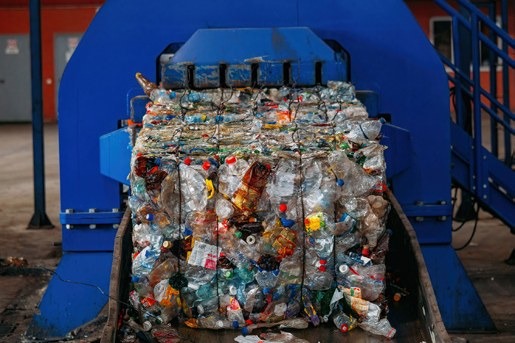
Recycling & waste management
Conveyor rollers and bearings, wear-resistant guides and slides, and processing machinery components.
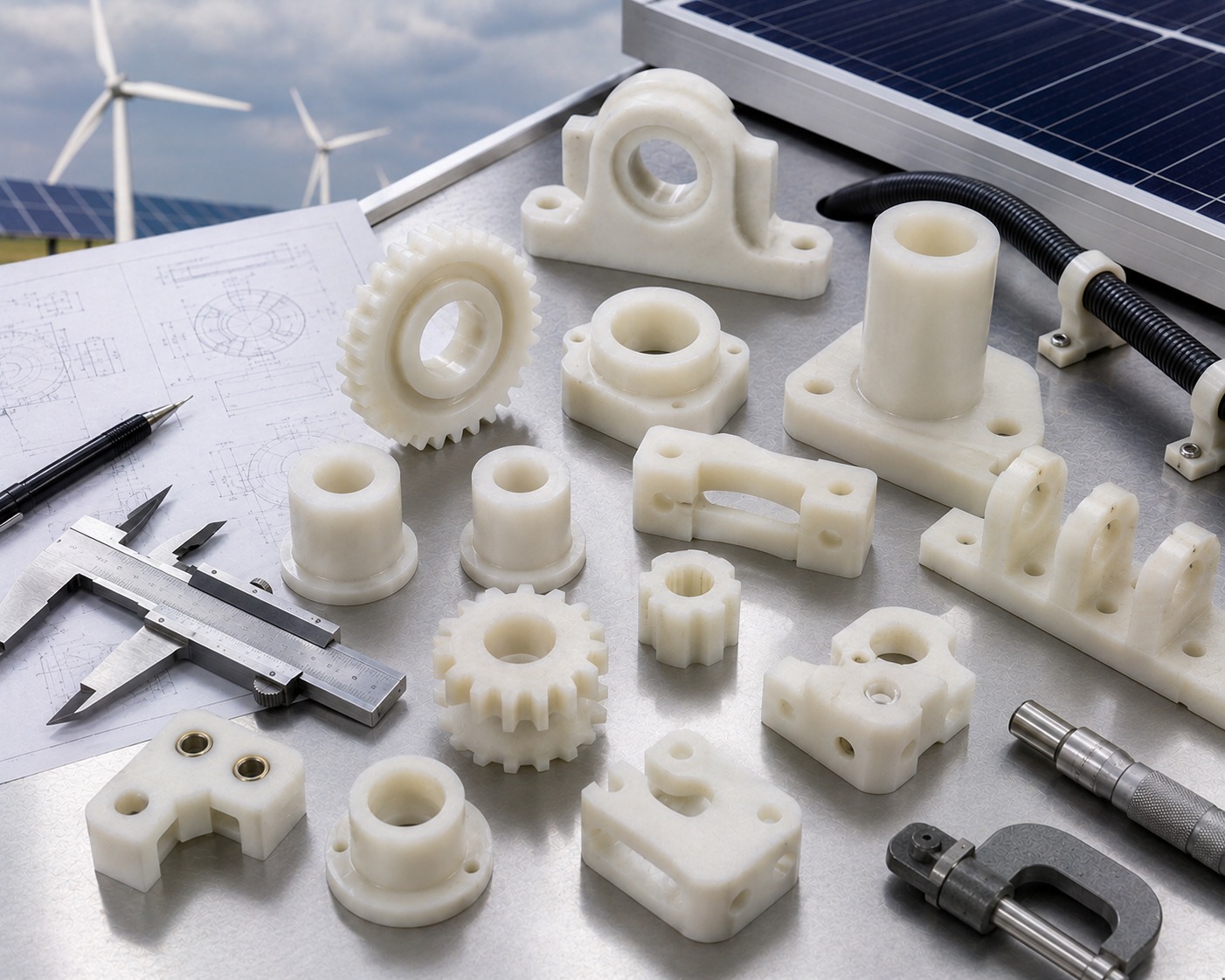
Outdoor & weather-exposed parts
UV- and weather-resistant plastics for equipment that runs outdoors year-round, without rust or corrosion.
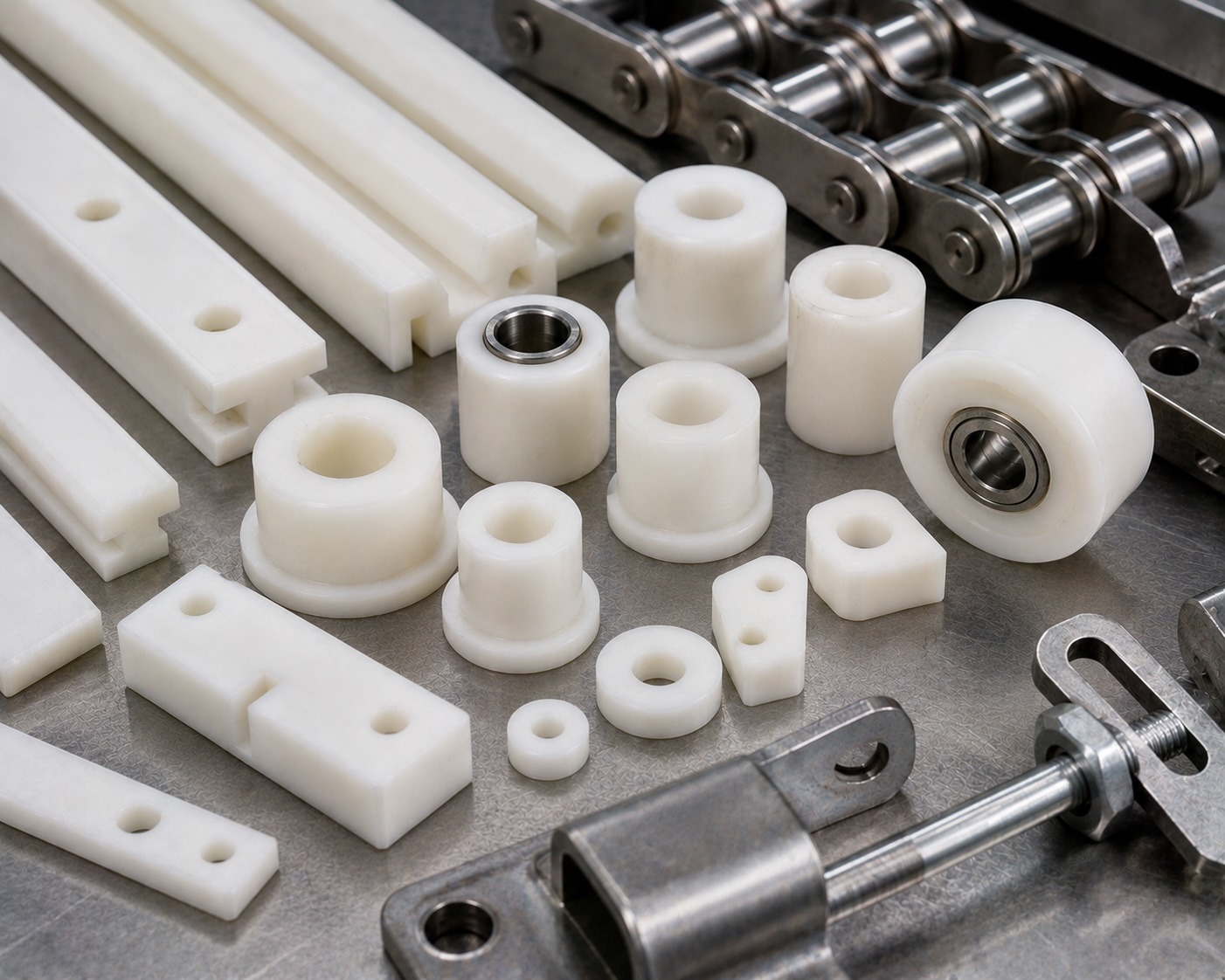
Low-maintenance wear components
Low-friction plastics that reduce lubrication and stretch maintenance and replacement intervals.
Recommended Materials for Environmental Applications
Material choice depends on the chemicals involved, temperature, UV exposure, load and wear. These are the materials we supply most often for environmental work.
PVC & CPVC
Cost-effective corrosion resistance for piping, ductwork, tanks and scrubber components. CPVC adds higher temperature capability for hot or more aggressive process streams. See our corrosion-resistant plastics.
PVDF & PTFE
Top choices for aggressive chemicals and gases, including filtration, gas treatment and chemical feed components. PTFE adds the lowest friction available.
Polyethylene, Polypropylene & UHMW
Lightweight, chemical-resistant materials for water treatment tanks, liners and fittings. UHMW adds outstanding abrasion resistance for guides and wear strips.
Acetal, Nylon & Polyurethane
Tough, low-friction materials for bearings, bushings, rollers and wear parts in recycling and processing machinery. See Nylon.
Polycarbonate, Acrylic & ABS
Impact-resistant and clear materials for guards, sight windows, housings and outdoor panels.
PEEK, PPS & PES
High-performance options for pumps, valves and hydrogen system components that face heat, pressure and chemicals at the same time. See PEEK.
Need help selecting the right plastic?
We’ll ask a few quick questions (temperature range, vacuum level, exposure, tolerances, documentation needs) and recommend practical options based on your system requirements.
What You Can Expect Working With Modern Plastics
We support environmental equipment builders, contractors and plant maintenance teams that need dependable supply, cut-to-spec components and clear communication.
If your project requires controlled specs or material certifications, we can align material selection, supply and documentation to your workflow.
Capabilities that support environmental projects
- Material distribution (sheet/rod/tube)
- Precision cutting + CNC routing
- Plastics fabrication and machining
- Recycling services
- Responsive quoting + shipping nationwide
FAQs About Plastics for Environmental Applications
What plastics are commonly used in water and wastewater treatment?
PVC, CPVC, polyethylene, polypropylene, PVDF and UHMW are common choices for piping, tanks, filtration and reverse osmosis components because they resist corrosion and chemical attack.
Which plastics hold up to the chemicals in air scrubbers and gas treatment?
PVDF, PTFE, CPVC and polypropylene are often specified for scrubbers, ductwork and gas treatment equipment. The right choice depends on the specific chemicals, concentrations and temperatures.
Can plastics replace metal in outdoor equipment?
Often, yes. Performance plastics do not rust, and UV- and weather-resistant grades are available for parts that run outdoors year-round.
Are performance plastics recyclable?
Many thermoplastics can be recycled. Modern Plastics also offers recycling services for plastic scrap.
Do you supply stock shapes or finished parts?
Both. We supply sheet, rod and tube, cut to size, and we machine and fabricate finished components to your drawing.
What information do you need for a quote?
The application, chemicals and temperatures involved, any UV or outdoor exposure, dimensions or a drawing, and quantities. You can upload a drawing or request a quote online.
Do you provide material certifications?
Yes. We can supply material certifications and traceability. Modern Plastics is certified to AS9100D and AS9120B (both including ISO 9001:2015) and ISO 13485:2016.
Contact us for a Quote
Ready to get started? Whether you need certified plastic materials, precision cutting, or high-performance fabrication,
Modern Plastics is here to help. Contact us today for a fast, accurate quote and expert guidance on your next project.