

Why High-Performance Plastics Matter in Fusion Systems
Modern Plastics supplies precision-engineered polymer materials and cut-to-spec components for fusion R&D and advanced energy teams working on tokamak systems, HTS magnet assemblies, cryostats, and vacuum-compatible instrumentation. Our materials help reduce electrical risk, improve repeatability, and support reliable performance under extreme temperature swings, aggressive environments, and demanding cleanliness requirements.
Whether you’re building prototypes, upgrading test stands, or scaling assemblies, we help engineering and purchasing teams select plastics that hold tolerances, support documentation needs, and align with real-world operating conditions.
Fusion systems introduce a combination of requirements that make material selection critical. The right plastics can support stable operation, protect sensitive equipment, and maintain integrity over repeated thermal cycling and long-duration runs.
Key performance drivers
- Electrical insulation for high-voltage environments and coil systems
- Cryogenic strength & dimensional stability inside cryostats and cold zones
- Ultra-high vacuum compatibility for sealing and low-outgassing applications
- Thermal & radiation resistance where temperature extremes and exposure are factors
- Precision cut-to-size components that support repeatable builds and assemblies
- Traceability & documentation for critical parts and controlled processes
Quick Specs
-
Temperature range (continuous + peak)
-
Chemical exposure / environment
-
Load, wear, or impact
-
Tolerances + inspection needs
-
Documentation / traceability
Certifications + Traceability
- ISO 9001:2015 Certified
- ISO 13485:2016 Certified
Related Links
-
Plastics Fabrication
-
Precision Plastic Cutting / CNC Routing
-
Upload Drawing
-
Talk to a Sales Specialist
Nuclear Fusion Plastics Applications We Support
Below are common fusion-adjacent use cases where polymer components and shapes are specified for performance, stability, and system compatibility.
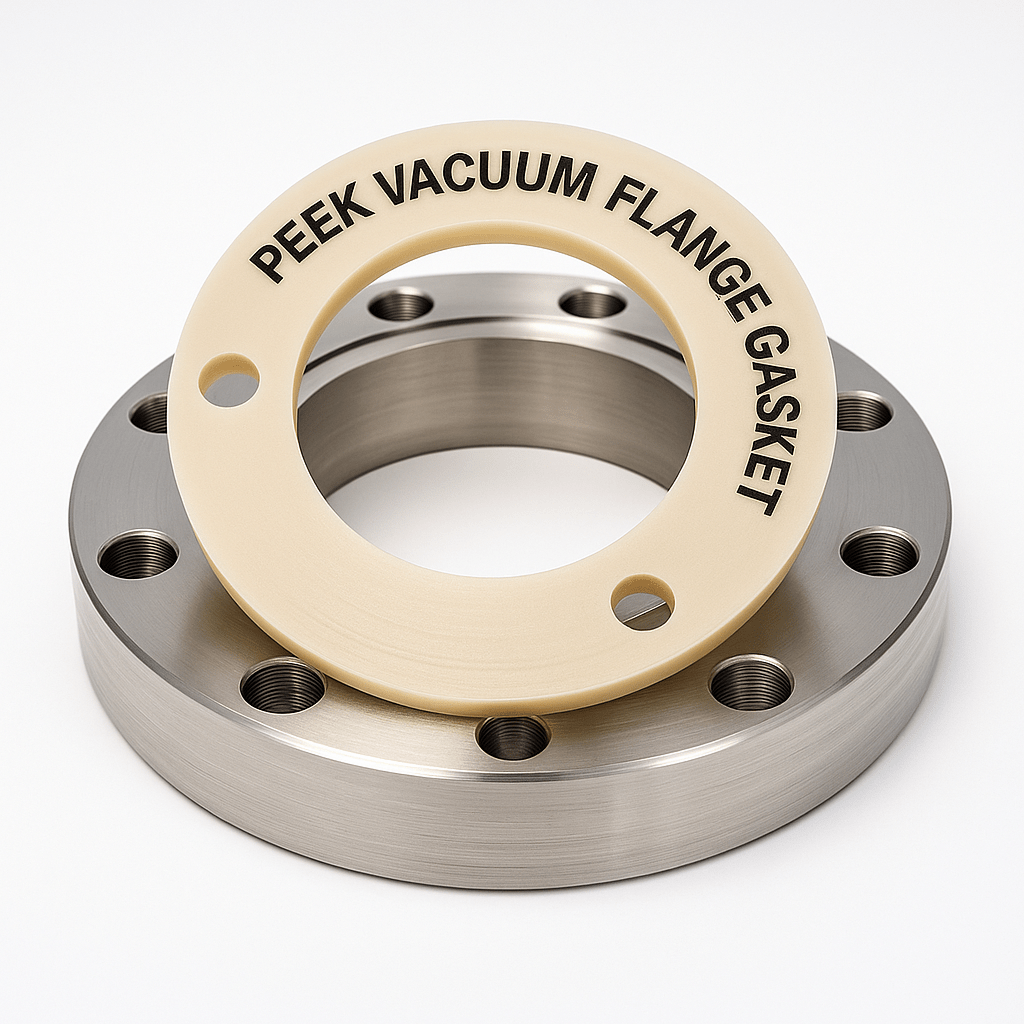
Vacuum sealing & isolation interfaces
Plastics can replace or complement metal interfaces in certain sealing scenarios, helping maintain ultra-high vacuum integrity while providing electrical isolation where needed.
Common parts: vacuum flange gaskets, insulating rings, spacers, isolation washers
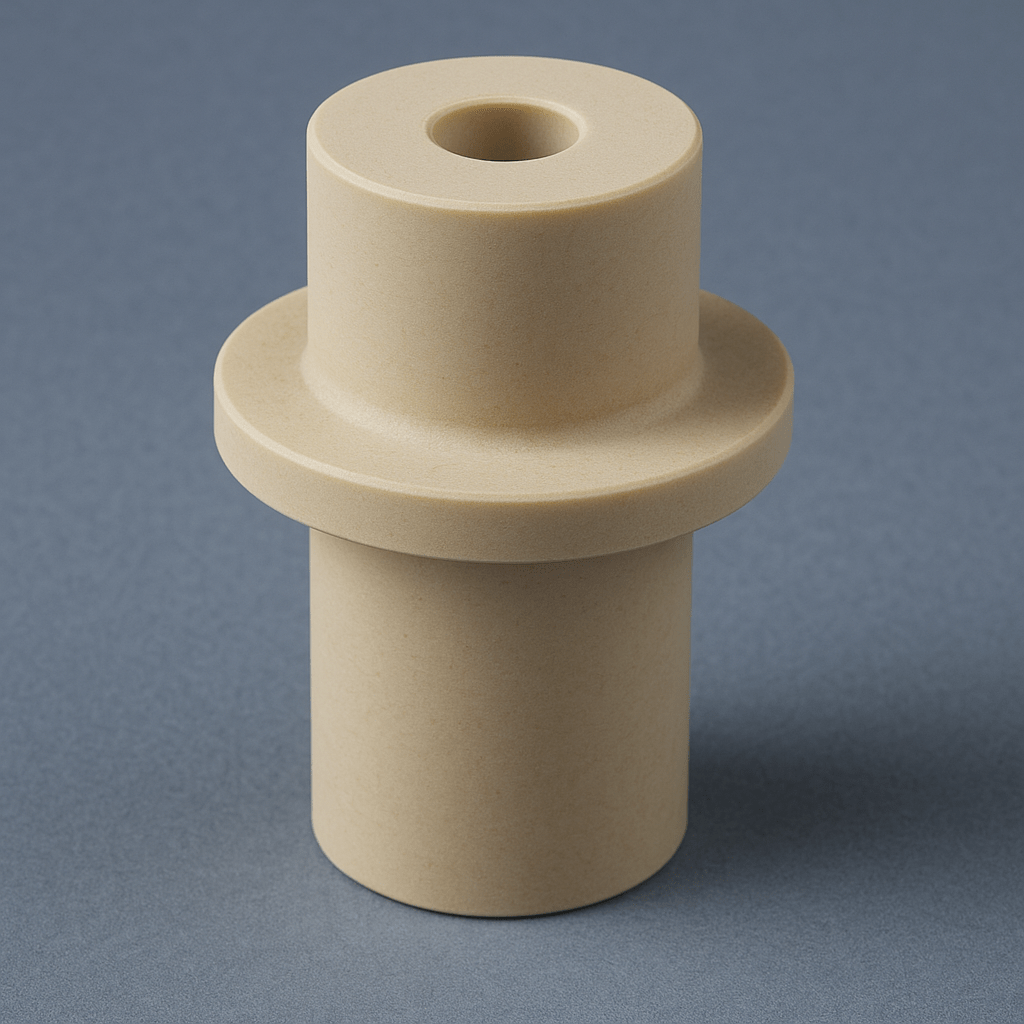
Cryogenic supports and structural standoffs
Cryogenic zones demand materials that stay stable under low temperatures and thermal cycling, while supporting mechanical loads with minimal heat transfer.
Common parts: cryogenic support standoffs, structural supports, instrument mounts, isolators
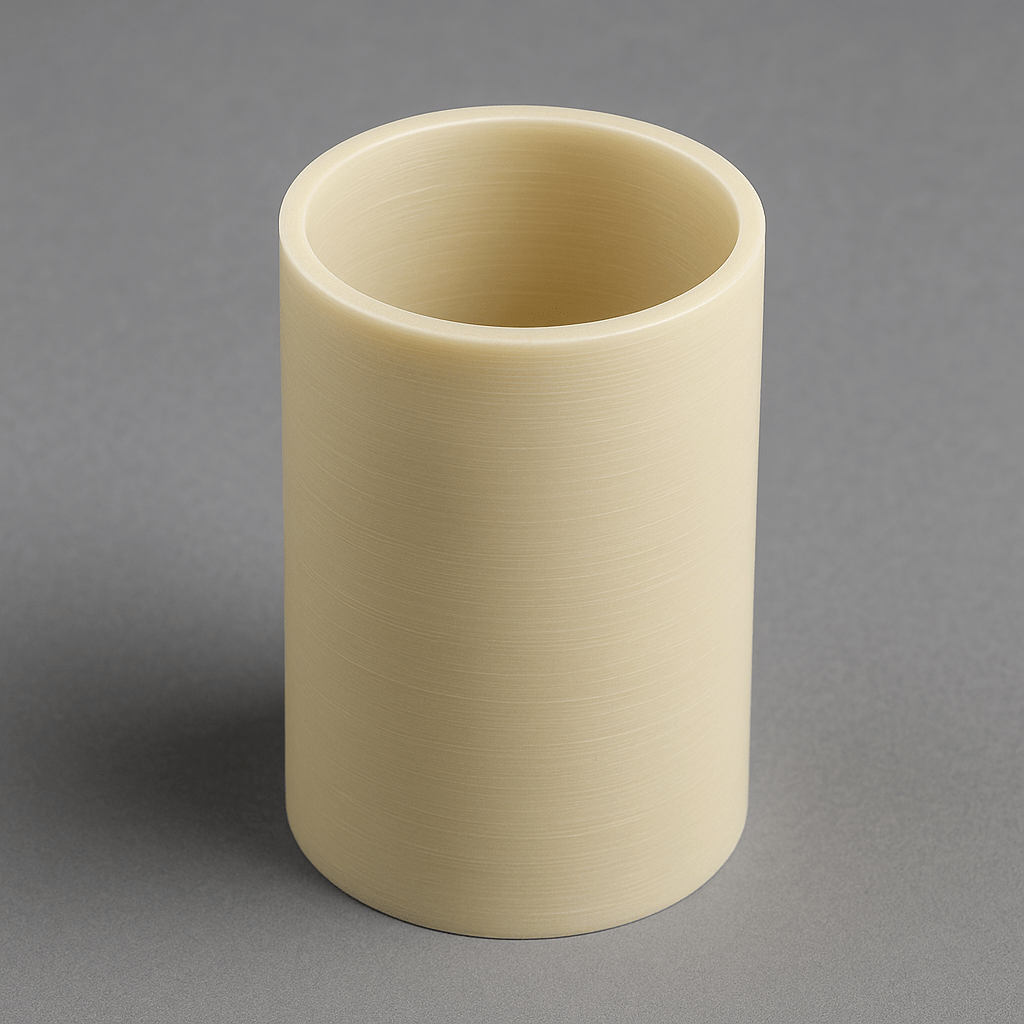
Coil insulation channels and dielectric components
High-field magnet systems may require rigid insulating components that help reduce arcing risk and support consistent assembly geometry.
Common parts: insulation sleeves/channels, dielectric barriers, separators, coil spacers
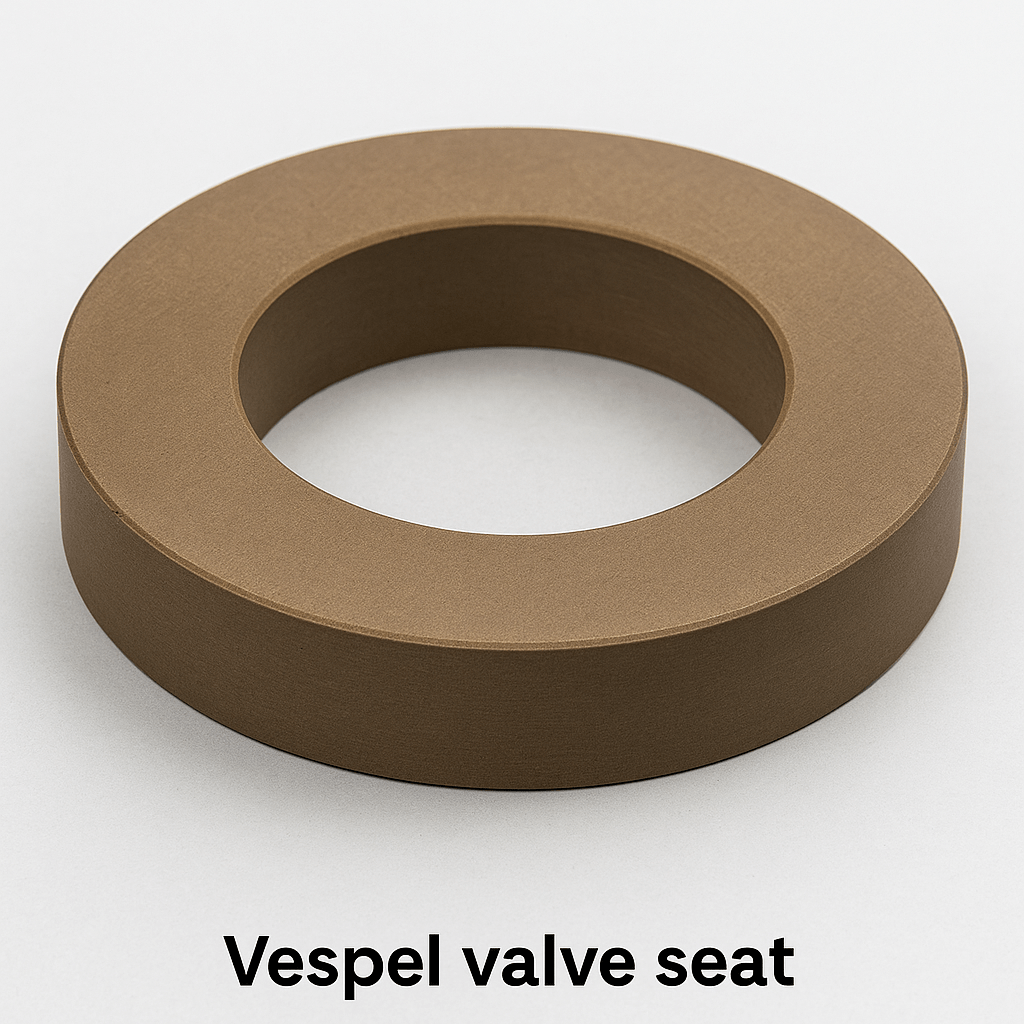
Valve Seats & Stem Tips (Polyimide)
Polyimide components (like Vespel®) are often used in vacuum and high-temperature valve assemblies where dimensional stability and repeatable sealing performance are critical.
Common uses: valve seats, stem tips, wear rings, backup rings, sealing interfaces
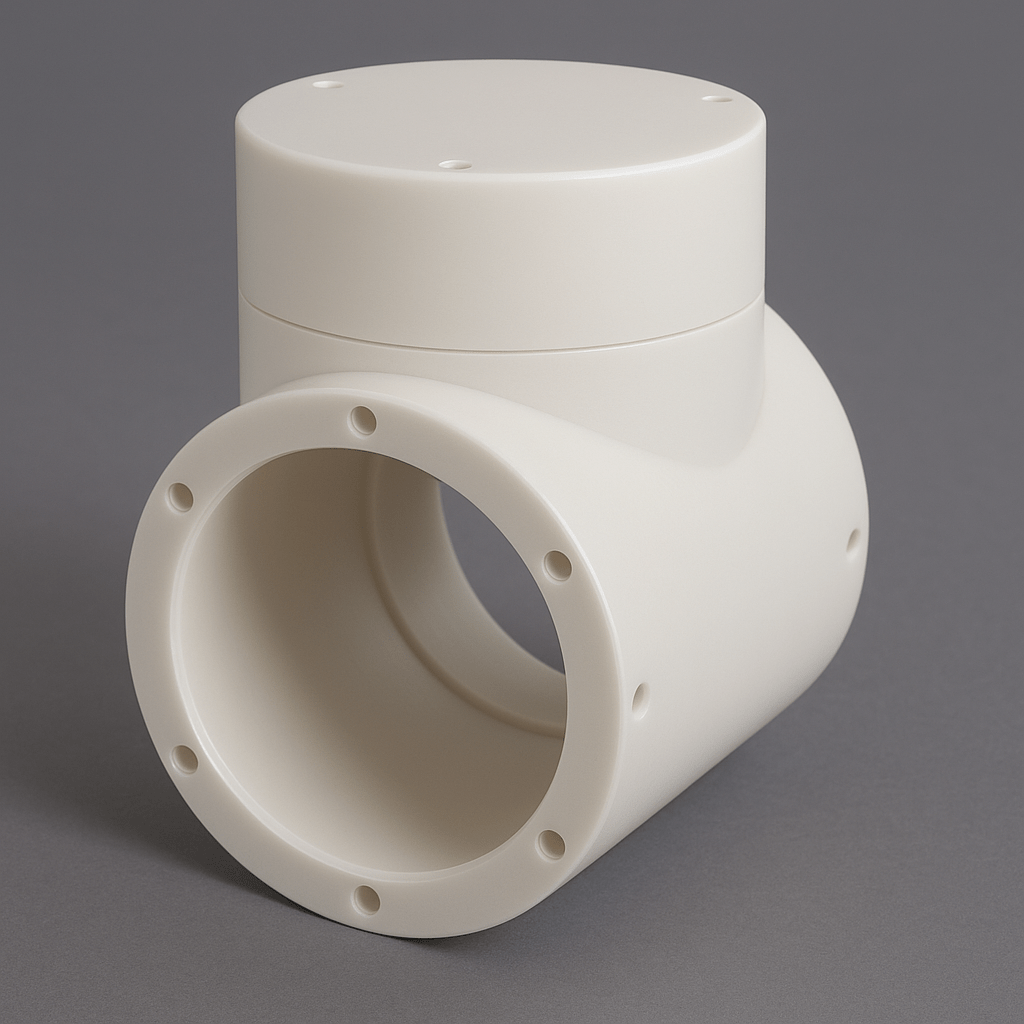
Sensor housings and diagnostic instrumentation supports
Diagnostic and optical systems often need stable, vacuum-compatible housings and mounts with low outgassing characteristics.
Common parts: sensor housings, instrument mounts, alignment components, protective covers
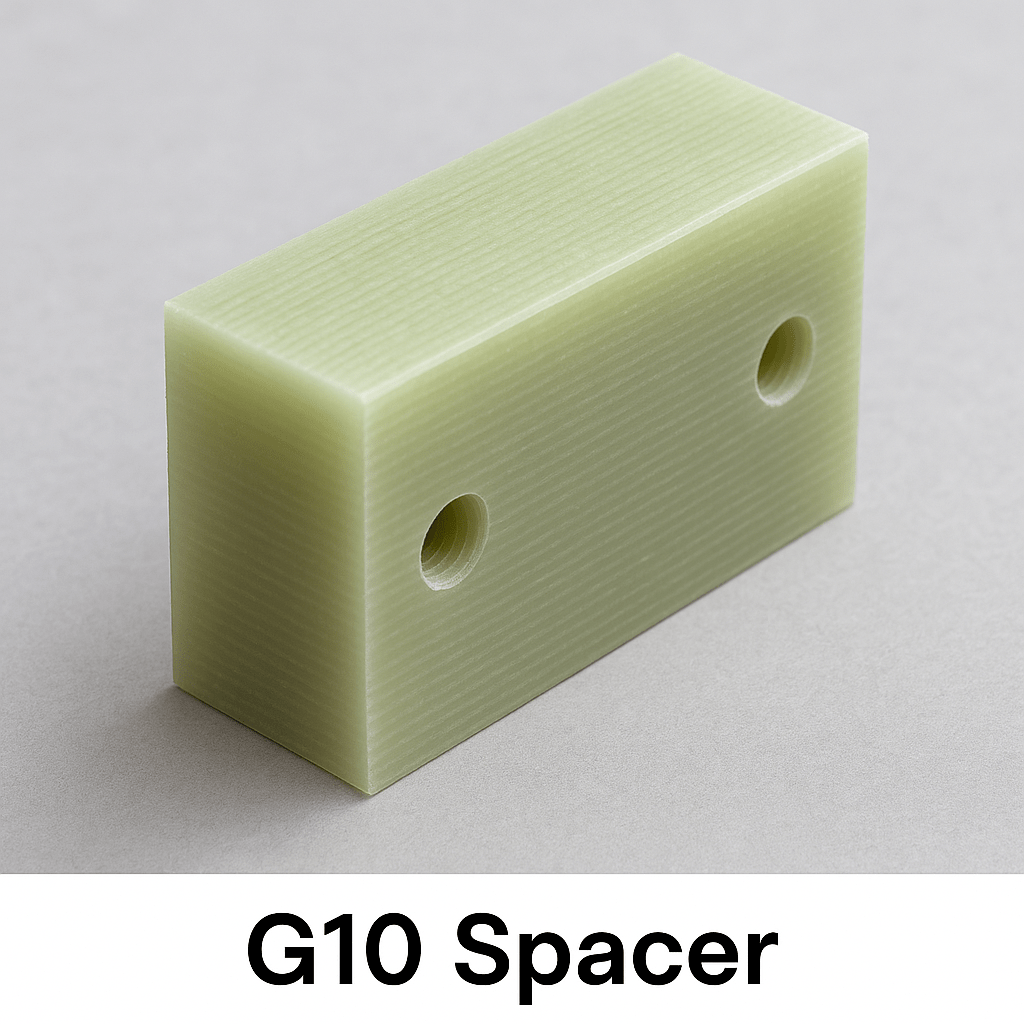
Spacers, fixtures, and assembly hardware
Cut-to-spec spacers, wear strips, and assembly components that support repeatable builds and fast iteration.
Common parts: spacers, shims, wear strips, alignment blocks, fixture plates, insulating washers
Recommended Materials for Nuclear Fusion Environments
Material choice depends on temperature range, vacuum level, exposure, load, cleanliness, and documentation needs. Here are common selections referenced in fusion-related systems:
PEEK (including high-purity grades)
Often specified for strong mechanical performance, chemical resistance, and stable behavior in demanding environments.
G10 / FR4 glass-epoxy laminates
Commonly used as a structural dielectric for supports and insulation components, including cryogenic-adjacent designs.
ULTEM (PEI)
A strong option for structural components and housings where dimensional stability and electrical properties matter.
Vespel® (polyimide)
Frequently selected for high-temperature stability and demanding sealing/valve-adjacent applications where performance must remain consistent.
Borated Polyethylene
A proven option for neutron shielding applications where absorption performance is required.
Need help selecting the right plastic?
We’ll ask a few quick questions (temperature range, vacuum level, exposure, tolerances, documentation needs) and recommend practical options based on your system requirements.
What You Can Expect Working With Modern Plastics
We support fusion and advanced energy teams that need dependable supply, cut-to-spec components, and clear communication—especially when timelines are tight and requirements are specific.
If your project requires controlled specs, inspection expectations, or lot/batch tracking, we can align material selection, supply, and documentation to your internal workflow.
Capabilities that support fusion builds
- Material distribution (sheet/rod/tube)
- Precision cutting + CNC routing
- Prototype-to-short-run support
- Documentation + traceability (as required)
- Responsive quoting + shipping nationwide
FAQs About High-Performance Plastics for Nuclear Fusion Systems
What plastics are commonly used in nuclear fusion systems?
High-performance materials like PEEK, G10/FR4, ULTEM, Vespel, and borated polyethylene are commonly specified for insulation, cryogenic supports, vacuum-compatible components, and shielding—depending on operating conditions.
Which plastics perform well in cryogenic fusion environments?
Cryogenic applications often require materials with strong dimensional stability and reliable mechanical performance under thermal cycling. Selection depends on load, temperature range, and thermal conductivity targets.
What plastics are compatible with ultra-high vacuum (UHV) systems?
UHV applications typically require low outgassing and stability at operating and bake-out conditions. Plastics are selected based on vacuum level, temperature, and system compatibility requirements.
How do plastics help with electrical insulation in fusion equipment?
Plastics can provide dielectric isolation between conductive components, support coil insulation designs, and help reduce arcing risk—improving repeatability and safety.
Can plastics be used in radiation environments?
Certain polymers and shielding materials are selected specifically for radiation-adjacent environments. The right choice depends on radiation type, dose, mechanical loads, and temperature range.
Do you provide certifications and traceability?
Yes. We can support certification documentation and material traceability (lot/batch reporting) when required for critical applications.
Contact us for a Quote
Ready to get started? Whether you need certified plastic materials, precision cutting, or high-performance fabrication,
Modern Plastics is here to help. Contact us today for a fast, accurate quote and expert guidance on your next project.