

Most plastic failures do not start with a bad material. They start with a weak selection process.
If an industrial plastic part underperforms, cracks too soon, wears out too quickly, or creates fabrication trouble, the material often gets blamed first. Sometimes that blame is deserved. A lot of the time it is not. In many cases, the real mistake happened earlier, when the application was defined too vaguely and the plastic was chosen by habit, convenience, or incomplete information. That is exactly the kind of mistake Modern Plastics helps customers avoid.
Why Material Selection Mistakes Happen
One of the biggest errors is using broad labels instead of real requirements. Saying you need a medical plastic, a semiconductor plastic, a food-processing plastic, or a high-performance plastic is not enough. Those are starting points, not finished decisions. The right material depends on the real environment, the real exposure conditions, the required geometry, and the documentation or quality demands tied to the job.
Why Fabrication and Machining Matter in Material Choice
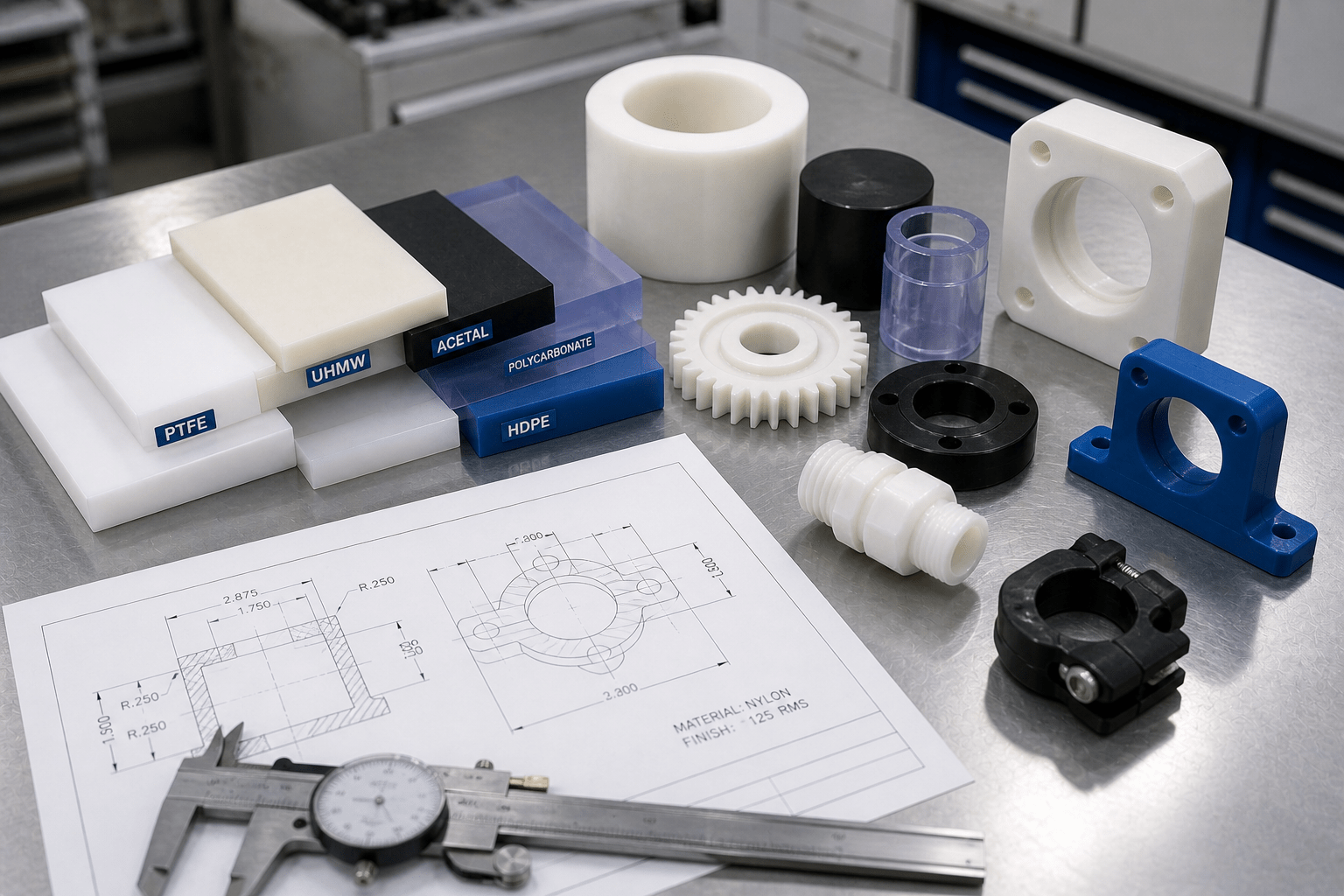
Another common mistake is forgetting that fabrication and machining matter just as much as resin family. A material may look great on paper and still be the wrong choice if it creates poor yield, unnecessary labor, bad finish quality, or avoidable trouble in the shop. That is why Modern Plastics brings more than raw stock to the conversation. The company also supports fabrication, precision cutting, and application guidance so customers can think about the finished part, not just the base material.
Do Not Overlook Documentation and Traceability
A third mistake is overlooking traceability and documentation until late in the process. In many industries, the material has to perform and the paperwork has to support the purchase. If you wait too long to think about that, the quote process gets slower, the approval path gets messier, and the project becomes harder than it needed to be.
How to Make a Better Material Decision
The best way to avoid these mistakes is simple. Define the real environment. Clarify the part function. Think about fabrication early. Involve the right plastics distributor before the wrong assumption becomes the official plan. Modern Plastics is built around exactly that kind of practical material discussion.
If your team wants to avoid costly material selection mistakes, contact Modern Plastics before the wrong assumption turns into a bigger problem.
0 Comments