Last Updated: February 2026
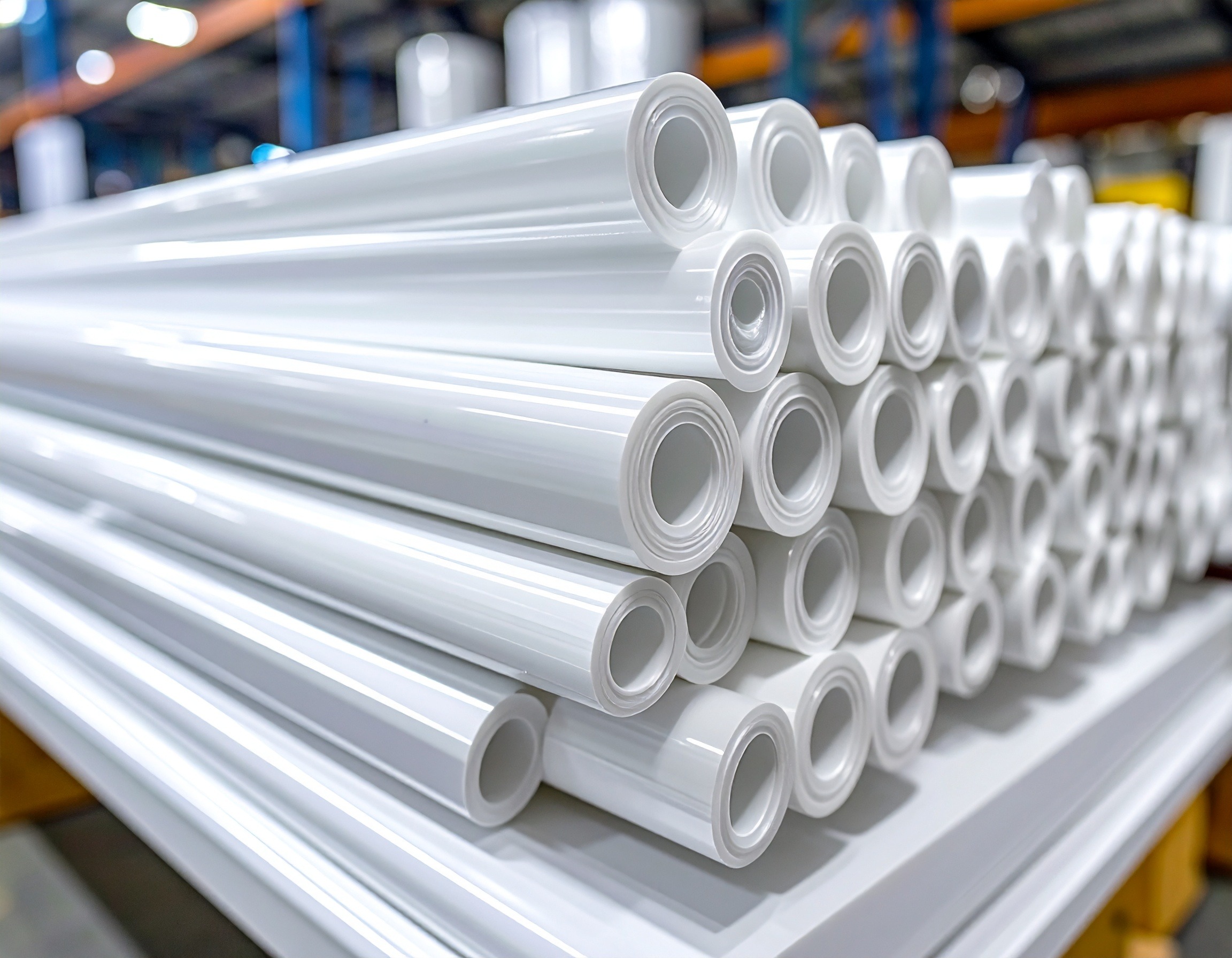
Delrin industries applications often involve wear components and motion parts that need low friction, dimensional stability, and reliable performance in sliding contact. Delrin (acetal/POM) is commonly used for guides, wear strips, rollers, and bushings—especially where repeatable movement and consistent fit matter.
Ensinger is a long-established plastics manufacturer (founded in 1966 by Wilfried Ensinger) and is widely recognized for high-performance plastics and stock shapes used across industrial markets.
Below is a practical look at Delrin industries applications by industry, what to confirm up front, and what to include in an RFQ so you get faster answers and cleaner quotes.
Why Delrin Is Used So Often in Industrial Equipment
Delrin (acetal/POM) is frequently selected when a design calls for:
- Dimensional stability where parts must hold their shape under load and over time
- Low moisture absorption for more predictable fit in many environments
- Good sliding and wear performance for moving-contact components
- Good strength and stiffness for structural wear parts, guides, and bearing surfaces
As always, grade selection matters. Operating environment, cleaning chemicals, temperature, and documentation requirements will determine what’s appropriate for your application.
In practice, delrin industries applications show up anywhere parts slide, roll, guide, or cycle repeatedly.
Delrin Industries Applications by Market
Food and Packaging Equipment
In packaging and processing environments, Delrin is often used for guides, wear strips, rollers, bushings, and conveyor-adjacent components where low friction and stability are valuable. These parts frequently see repeated motion, contact wear, and washdown or cleaning routines—so it’s important to confirm the full operating environment before finalizing a material callout.
If a component is intended for food-contact use, requirements should be confirmed against applicable regulations and the documentation your facility expects.
Material Handling and Conveyance
Delrin is commonly used for slide plates, chain guides, wear pads, rollers, and bushings in systems that run continuously and need low-friction wear surfaces. It’s a strong option when a part needs repeatable performance and clean, consistent movement—especially where alignment and fit are important.
Industrial Equipment and Automation
Delrin applications by industry also show up in industrial systems and automation equipment: spacers, wear rings, bearing surfaces, fixtures, and alignment components. When designs require predictable fit and stable dimensions, Delrin stock shapes can be cut-to-size and fabricated into precision components to match your drawing.
Electrical and Electronics
For electrical equipment, Delrin may be used for insulating or structural components, housings, and wear parts where stability and durability are needed. Specific performance requirements—temperature, chemical exposure, and mechanical loads—should guide material selection.
Transportation and General Manufacturing
Delrin is widely used for bushings, wear sleeves, rollers, and sliding components—anywhere repeated movement and wear resistance are factors. When a design needs stable fit, consistent performance, and a low-friction interface, Delrin is often part of the shortlist.
What to Confirm Before You Spec Delrin
Before ordering material or fabricated parts, confirm these early (it saves time and prevents quote delays):
- Operating temperature (continuous + peak)
- Chemical exposure (cleaners, oils, solvents, washdown)
- Wear vs. impact vs. load (what’s the failure mode?)
- Critical tolerances only (don’t over-tolerance the full part)
- Documentation requirements (if applicable)
These details reduce the back-and-forth—and help you get a faster, more accurate quote.
RFQ Checklist for Delrin Parts
For delrin industries applications, a complete RFQ helps us quote faster and recommend the right stock shape.
- Material (Delrin/acetal/POM) or application details if you’re unsure
- Stock shape (sheet/rod/tube) + dimensions
- Quantity (prototype vs production volumes)
- Cut-to-size requirements or CNC routing needs (if applicable)
- Critical tolerances and any inspection points
- Documentation requirements (if any)
- Drawing/spec sheet (preferred)
Tip: If you don’t know the exact grade, describe the environment and what the part does (sliding, load-bearing, wear surface, etc.). That makes it easier to recommend a fit-for-purpose option.
How Modern Plastics Supports Delrin Projects
Modern Plastics supports customers by supplying Delrin stock shapes and providing fabrication services such as cut-to-size and CNC routing, helping teams move from spec → material → finished components faster.
- Need Delrin stock shapes? Start here: Delrin product page
- Need fabrication support? See: Plastics fabrication
- Ready for pricing? Use: Request a Quote or email sales@modernplastics.com with your drawing/specs.
FAQ
What are common Delrin applications by industry?
Common uses include guides, wear strips, rollers, bushings, wear rings, and sliding-contact components in packaging, industrial equipment, automation, and general manufacturing.
Is Delrin the same as acetal or POM?
Delrin is a well-known brand associated with acetal homopolymer (POM). “Acetal” and “POM” are often used as umbrella terms, but material grades and properties can vary by type and manufacturer.
What should I include in an RFQ for Delrin parts?
Include material or application, dimensions, quantity, cut-to-size/CNC routing needs, critical tolerances, documentation requirements, and a drawing/spec sheet.
Can Delrin be used in food-contact applications?
Some polyoxymethylene materials are addressed in food-contact regulations, but suitability depends on the exact resin/grade, use conditions, and required documentation. Confirm requirements for your specific application and facility standards.
0 Comments