

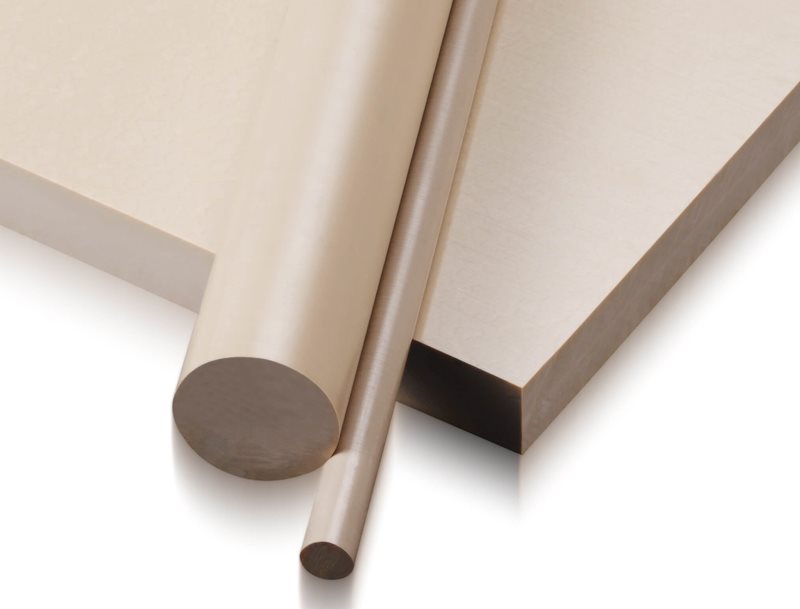
High-performance plastics for fusion systems support complex assemblies where stability, cleanliness, and repeatability matter. Fusion-related projects can involve vacuum-adjacent interfaces, cryogenic temperature zones, and sensitive instrumentation—so material choices often need to be made with real operating conditions in mind. Instead of guessing a polymer early, teams get better outcomes by defining the environment first (temperature range, chemical exposure, electrical needs, and dimensional expectations), then selecting a material family that aligns to those requirements. Modern Plastics supplies sheet, rod, and tube stock shapes, along with cut-to-size components, to help engineering and procurement teams move from spec to build with less rework.
Why fusion programs spec polymers differently than general industrial builds
Fusion research and development is pushing into demanding engineering territory—projects like ITER are explicitly focused on demonstrating fusion at a power-plant scale, which drives complex, highly controlled systems and rigorous performance expectations. In these environments, non-metal components may be specified where teams want consistent dimensions, corrosion-resistance benefits, electrical insulation behavior (application-dependent), or weight advantages.
The key is that “good industrial plastic” isn’t specific enough. Requirements can change dramatically depending on:
-
Whether the component lives near a vacuum interface or a sealed assembly
-
Whether it sees cryogenic conditions or thermal cycling
-
Whether it supports instrumentation alignment and repeatable positioning
-
Whether electrical behavior matters (insulation or static-control needs)
High-performance plastics for fusion systems: where they’re commonly used
High-performance plastics for fusion systems often show up in support roles that protect sensitive interfaces and help maintain consistent assemblies. Below are common categories—not a one-size-fits-all list—because exact needs vary by subsystem and facility requirements.
Instrumentation supports and sensor interfaces
In measurement-heavy environments, polymer components may be used as:
-
Spacers, standoffs, and non-metal supports
-
Alignment aids that prioritize repeatable fit-up
-
Protective interfaces that reduce corrosion concerns around certain assemblies
Vacuum-adjacent assemblies and interface components
Fusion teams often work near vacuum systems and controlled environments. The IAEA tracks fusion activities and knowledge-sharing across member states, reflecting how globally coordinated and technically detailed the field is. In practical terms, that can translate into conservative material selection—especially when components sit near seals, chambers, or controlled interfaces where cleanliness and repeatability are important.
Cryogenic zones and thermal management adjacent parts
Some fusion-related builds include cryogenic or thermal-control systems. In these zones, plastics may be specified where teams need consistent dimensions, stable behavior across temperature change, and low-maintenance performance in non-metal roles.
What to define first so you don’t re-order materials twice
A common reason fusion-related projects stall is that the material is chosen too early—before the environment is fully defined. Start by locking the performance drivers, then match the polymer family to the real conditions.
Temperature range and thermal cycling
Define:
-
Continuous operating temperature
-
Peak exposure events
-
Any cycling expectations (warm-up / cool-down patterns)
Even small assumptions here can push you toward the wrong material family.
Chemical exposure and cleaning methods
List what the component will actually face:
-
Process chemicals (where applicable)
-
Cleaning agents, solvents, and wipes
-
Oils, lubricants, or maintenance products
This helps narrow options to materials that remain stable in real use—not just in a generic chart.
Electrical and static considerations (if applicable)
Not every application needs static control, but when it does, clarify what “ESD-safe” means in your environment and how it will be verified. This prevents mismatch between the intended area of use and the supplied material type.
7 Essentials to Spec High-Performance Plastics for Fusion Systems
- Temperature range (continuous + peak)
- Thermal cycling expectations
- Vacuum / low-outgassing needs (if applicable)
- Chemical exposure + cleaning method
- Electrical requirements (insulation / ESD, if applicable)
- Tolerances + inspection expectations
- Documentation needs (traceability, certificates, internal specs)
A practical spec checklist for faster quotes and fewer surprises
Use this checklist to reduce back-and-forth and speed up sourcing—especially when timelines are tight:
-
Part format: sheet, rod, tube, or cut-to-size component
-
Dimensions + quantity (include thickness/diameter and any callouts)
-
Tolerance expectations (what truly matters vs. what’s flexible)
-
Temperature range (continuous + peak)
-
Chemical exposure + cleaning method
-
Electrical needs (insulation / ESD, if applicable)
-
Surface expectations (finish, handling, packaging requirements)
-
Documentation needs (traceability, certificates, internal specs)
If you’re working from a drawing, providing it up front is one of the fastest ways to get an accurate quote and consistent output.
Standards and documentation: how teams keep comparisons consistent
When your application has mechanical or performance targets (stiffness, strength, wear, or dimensional expectations), referencing ASTM material standards and test methods can help make material comparisons more consistent across suppliers. ASTM standards provide common baselines for how properties are measured.
On the quality side, many organizations also align internal processes to recognized frameworks. ISO describes ISO 9001 as a globally recognized quality management standard used to help organizations deliver consistent products and services. (Whether or not ISO 9001 is required for your project, documentation discipline tends to improve sourcing outcomes.)
FAQs
What are high-performance plastics for fusion systems used for?
High-performance plastics for fusion systems are often used in non-metal roles such as instrumentation supports, vacuum-adjacent interface components, and thermal/cryogenic adjacent parts—where teams want stable dimensions, clean handling, and repeatable assemblies.
Can Modern Plastics supply cut-to-size components for fusion projects?
Yes. Modern Plastics distributes sheet, rod, and tube stock shapes and can provide cut-to-size components using precision cutting/CNC routing to match your drawings and build requirements.
What information should I include when requesting a quote?
Share the format (sheet/rod/tube or cut-to-size), dimensions, quantity, tolerance expectations, temperature range, chemical exposure/cleaning method, and any electrical or documentation requirements. A drawing speeds up quoting and reduces revisions.
Do plastics replace metals in fusion assemblies?
Sometimes—depending on the subsystem and performance requirements. Plastics may be chosen in select non-structural roles where teams want corrosion-resistance benefits, electrical insulation behavior, or weight advantages, but selection should always match engineering requirements.
If you’re sourcing components for a fusion-related program, Modern Plastics can help you specify and supply the right material format—sheet, rod, tube, or cut-to-size parts—based on your real environment requirements. Request a quote and include your dimensions, quantities, tolerance targets, temperature range, and chemical/cleaning exposure details for the fastest turnaround.
0 Comments