

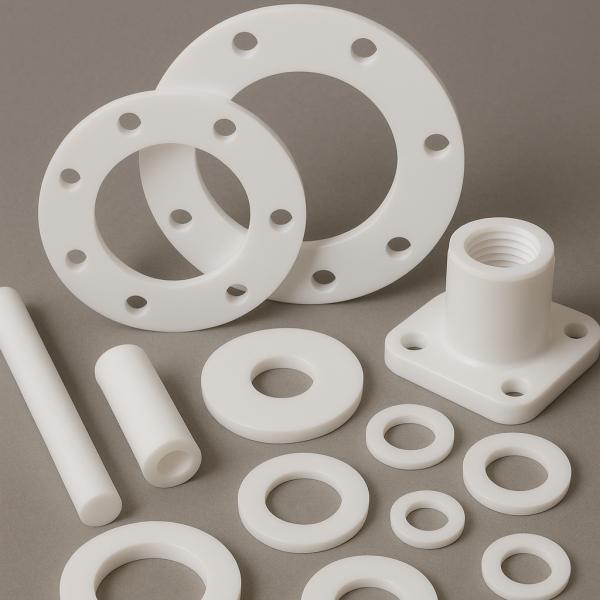
PTFE for medical applications offers a valuable combination of chemical resistance, low friction, thermal stability, and electrical insulation. Also known as polytetrafluoroethylene, PTFE is a high-performance fluoropolymer used in specialized components across many industries.
At Modern Plastics, we supply PTFE stock shapes and material solutions for manufacturers developing precision components for medical equipment, laboratory systems, and pharmaceutical processing applications.
Why Choose PTFE for Medical Applications?
PTFE offers several properties that make it useful for medical and life sciences equipment. Its performance characteristics can help manufacturers address challenging operating conditions and specialized component requirements.
Excellent Chemical Resistance
PTFE is highly resistant to a broad range of chemicals, solvents, and cleaning agents. This makes it valuable for equipment components exposed to demanding chemical environments.
In pharmaceutical processing and laboratory systems, chemical compatibility can be especially important for seals, valves, and fluid-handling components.
Low Friction and Non-Stick Properties
One of PTFE’s most recognized characteristics is its extremely low coefficient of friction.
This property makes PTFE useful for sliding components, seals, bearings, and other applications where reducing friction is important. Its non-stick characteristics may also help minimize material buildup on appropriately designed surfaces.
Thermal Stability
PTFE maintains useful properties across a broad temperature range, making it suitable for many demanding equipment applications.
However, temperature performance alone does not guarantee compatibility with every sterilization process. Manufacturers should evaluate the material grade and intended cleaning or sterilization method.
Electrical Insulation
PTFE provides strong dielectric properties, making it useful for insulating components in analytical instruments, diagnostic equipment, and specialized electrical assemblies.
Common PTFE Medical & Life Sciences Applications
PTFE can be incorporated into precision components used throughout medical equipment, laboratory instrumentation, and pharmaceutical processing systems.
Seals, Gaskets, and Valve Components
PTFE is frequently considered for sealing applications where chemical resistance and low friction are important.
Typical applications may include:
- Seals and gaskets
- Valve seats
- Pump components
- Fluid-control components
- Specialized sealing rings
The appropriate formulation must be selected based on pressure, chemical exposure, temperature, and mechanical loading.
Fluid-Handling Equipment
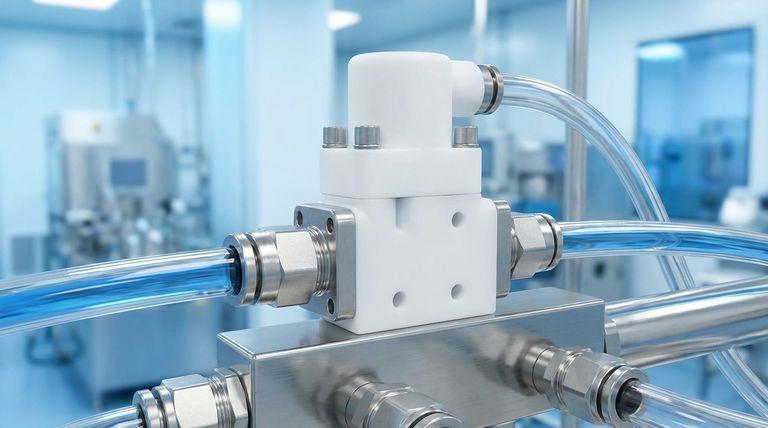
PTFE’s chemical resistance makes it useful in equipment designed to transport or control compatible liquids and gases.
Potential applications include fluid-handling components, fittings, valve parts, and specialized laboratory equipment.
Laboratory and Analytical Equipment
Laboratory systems may require components that resist chemical exposure while providing reliable mechanical or electrical performance.
PTFE may be used for insulating components, equipment parts, sealing elements, and precision-machined components used in analytical instruments.
Pharmaceutical Processing Equipment
Pharmaceutical manufacturing often involves challenging cleaning procedures, chemical exposure, and strict material requirements.
PTFE components may be considered for processing equipment, seals, valve assemblies, and other applications where chemical resistance is essential.
Choosing the Right PTFE Grade
Not all PTFE materials offer identical performance. Material selection should account for the specific application, operating conditions, and documentation requirements.
Virgin or Unfilled PTFE
Unfilled PTFE provides excellent chemical resistance, low friction, and electrical insulation.
It may be appropriate for certain sealing, laboratory, and fluid-handling applications when its mechanical properties meet the design requirements.
Filled PTFE
Filled PTFE formulations can incorporate materials such as glass, carbon, or other additives to improve selected mechanical and wear properties.
These formulations may be beneficial for certain bearings, seals, and demanding equipment components. However, fillers can change chemical compatibility and may be unsuitable for particular medical or high-purity applications.
Medical-Specific PTFE Grades
Applications involving patient contact, pharmaceutical processing, or regulated medical equipment may require specific resin grades, documentation, testing, and material traceability.
Medical suitability should never be assumed solely because the material is PTFE.
From PTFE Stock Shapes to Precision Components
Modern Plastics supplies PTFE rod, sheet, plate, and other available stock shapes for manufacturers requiring engineering plastic solutions.
Depending on the project, PTFE can be machined into custom seals, spacers, insulating parts, bushings, and fluid-handling components.
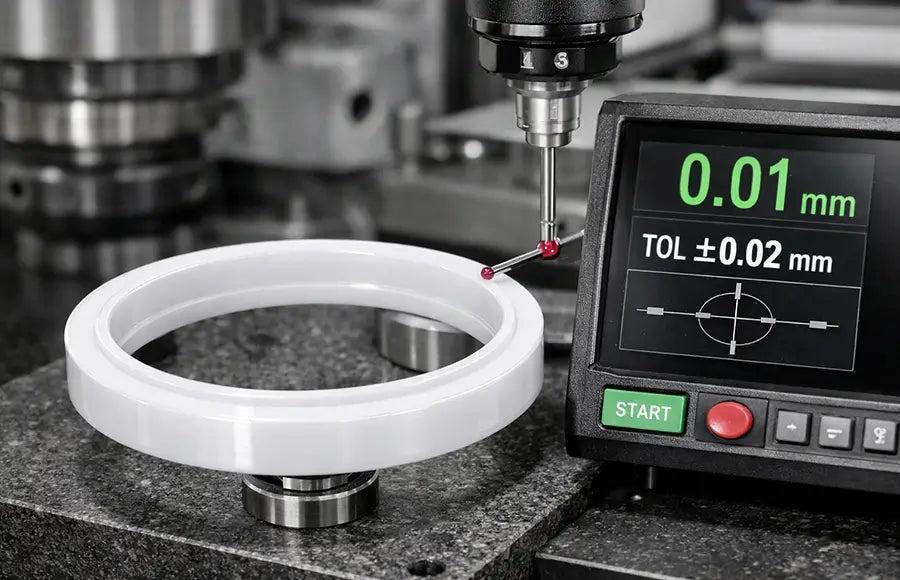
Material selection and machining considerations are especially important because PTFE behaves differently from many rigid engineering plastics. Its flexibility, thermal expansion, and tendency to deform under sustained loading must be considered when designing close-tolerance parts.
Modern Plastics can help customers evaluate appropriate stock shapes, available formulations, and material options for their specific requirements.
Material Selection Matters
PTFE offers significant advantages, but successful material selection requires evaluating the entire operating environment.
Important considerations include:
- Chemical exposure and concentration
- Operating temperature and pressure
- Dimensional tolerances
- Mechanical loading and wear
- Cleaning and sterilization processes
- Required purity, documentation, and regulatory compliance
For medical or life sciences equipment, manufacturers must confirm that the selected grade meets the requirements of the intended application.
Frequently Asked Questions About PTFE for Medical Applications
1. Why is PTFE used in medical applications?
PTFE is valued for its excellent chemical resistance, low friction, thermal stability, and electrical insulation. These properties make it useful for selected medical equipment, laboratory systems, and pharmaceutical processing components.
2. What medical equipment components can be made from PTFE?
PTFE may be used for seals, gaskets, valve seats, pump components, fluid-handling parts, insulating components, bushings, and specialized machined equipment parts.
3. Can PTFE withstand sterilization?
Some PTFE grades can tolerate certain sterilization methods, but compatibility depends on the grade, process, temperature, exposure duration, and finished component. Radiation-based sterilization can adversely affect PTFE, so the specific method must be validated.
4. Can Modern Plastics supply PTFE for medical equipment applications?
Yes. Modern Plastics supplies PTFE stock shapes and can help customers evaluate material options for medical, pharmaceutical, laboratory, and industrial equipment applications. Grade-specific suitability and documentation should be confirmed before ordering.
Find the Right PTFE Material with Modern Plastics
Choosing the right engineering plastic is an important part of developing reliable medical and life sciences equipment.
Modern Plastics provides engineering plastic stock shapes, material selection assistance, and solutions for precision component manufacturing.
Need PTFE for your next medical or life sciences application?
Contact Modern Plastics to discuss your material requirements, stock shape availability, and project specifications.
Email: sales@modernplastics.com
Website: www.modernplastics.com
ISO 9001:2015 | AS9100D | AS9120B | ISO 13485:2016 Certified
0 Comments