

Last Updated: February 2026
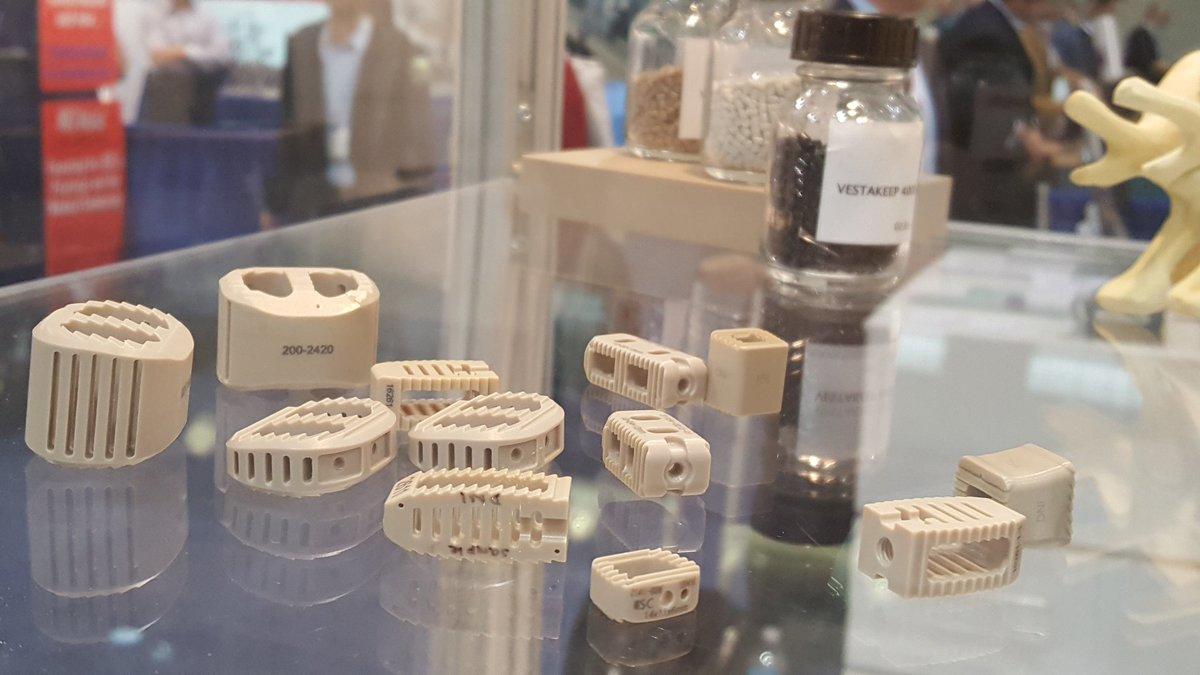
VESTAKEEP medical devices are shaping modern healthcare applications where high-performance polymers are preferred over metal. From spinal implants to patient-specific surgical tools, this material is used in 3D printing workflows that support lightweight designs, design flexibility, and repeatable performance.
What Is VESTAKEEP PEEK?
VESTAKEEP is a high-performance polyether ether ketone (PEEK) polymer known for its combination of:
-
Biocompatibility (grade-dependent and application-dependent)
-
High mechanical strength
-
Chemical and thermal resistance
-
Suitability for long-term implantation (for specific grades and validated use cases)
These characteristics make it a serious alternative to metals like titanium or stainless steel—especially for applications where weight, flexibility, and repeatable performance matter.
Adapting to Modern Medical Innovations
One of the most compelling aspects of VESTAKEEP PEEK is how it supports evolving medical design needs. Compared with more rigid traditional materials, PEEK can enable lighter components and new geometries—especially as additive manufacturing becomes more common.
Evonik works with medical professionals and device manufacturers to support innovation through advanced materials, including grades designed for additive manufacturing workflows.
VESTAKEEP Medical Devices: Key Benefits of PEEK 3D Printing
The use of 3D printing in medical devices is growing rapidly—particularly for patient-specific implants and complex geometries. Evonik continues to expand PEEK materials designed for high-performance additive manufacturing.
“It’s important to really understand the opportunities and limitations of 3D printing,” says an expert from Evonik. “It’s an evolving technology, and right now it’s unclear which applications will become mainstream in the long term.”
Evonik is already offering technical-grade PEEK that can be 3D printed using Selective Laser Sintering (SLS). This supports:
-
More personalized medical device designs
-
Complex geometries not easily achieved through conventional methods
-
Prototypes and low-volume production for specialized devices
Important note: Mechanical properties of SLS-printed PEEK can differ from parts produced via injection molding or extrusion. For medical applications where performance, consistency, and validation matter, this difference should be considered early in the design and qualification process.
What to Confirm Before Specifying VESTAKEEP PEEK
Before selecting a grade or requesting pricing, confirm these details up front. It helps prevent delays, re-quotes, and mismatched material assumptions:
-
Device type: implant vs instrument vs housing/component
-
Performance needs: load, wear, stiffness, impact, fatigue expectations
-
Sterilization method: autoclave/steam, EtO, and cycle frequency
-
Chemical exposure: cleaners, disinfectants, or other processing chemicals
-
Documentation requirements: traceability, certifications, material data sheets
-
Production approach: prototype vs low-volume vs scale-up
-
Drawing/spec sheet: dimensions and any critical tolerances
If you’re unsure of the best grade, describe the environment and the part function—those details are often enough to narrow down options quickly.
Applications on the Horizon
Evonik’s continued development of VESTAKEEP for 3D printing expands options for:
-
Spinal implants and cages
-
Cranial and facial reconstruction devices
-
Dental applications
-
Orthopedic and trauma components
The potential for customized, patient-specific devices remains one of the most promising frontiers in medical device manufacturing—especially as materials and additive processes continue to mature.
Why This Matters to Patients and Practitioners
When validated for the intended use, patient-specific devices and lightweight polymer designs can support more tailored procedures and improved fit-for-purpose solutions. As additive manufacturing expands, manufacturers are exploring where PEEK can provide the best balance of performance, repeatability, and time-to-part.
Material Validation and Market Impact
As medical technology evolves, so does demand for materials that balance performance with regulatory and quality requirements. VESTAKEEP PEEK is gaining traction not only in surgical applications but also in R&D environments where teams evaluate new approaches to design, validation, and production.
Evonik’s collaboration with OEMs and medical stakeholders supports ongoing material validation as additive manufacturing matures across the medical sector.
How Modern Plastics Supports Medical Device Projects
Modern Plastics supplies high-performance plastics for medical device applications and supports cut-to-size and fabrication to help teams move from specification to finished components—especially when tolerances and documentation requirements matter.
To speed up quoting, email your drawing/specs and documentation needs to sales@modernplastics.com.
For additional background on VESTAKEEP PEEK and additive manufacturing, see Evonik’s overview:
👉 Read the full article from Evonik
FAQ: VESTAKEEP Medical Devices and PEEK 3D Printing
What are VESTAKEEP medical devices used for?
VESTAKEEP PEEK is used in select medical applications where strength-to-weight, durability, and sterilization compatibility are important—such as components for surgical instruments and certain implantable or patient-specific parts (depending on grade and requirements).
Is VESTAKEEP PEEK suitable for 3D printing medical devices?
In many cases, yes—PEEK materials like VESTAKEEP can be used in additive workflows designed for high-performance polymers. Suitability depends on the device type, performance requirements, and validation/documentation needs.
What information should I include in an RFQ for VESTAKEEP PEEK?
Include the application (implant vs instrument vs housing), required dimensions, quantity, sterilization method, chemical exposure, critical tolerances, documentation requirements, and a drawing/spec sheet if available.
What sterilization methods matter when selecting PEEK for medical devices?
Different devices require different sterilization methods (for example, steam/autoclave, EtO, or other processes). Confirm your process early so material selection and documentation align with requirements.
Is VESTAKEEP PEEK compliant for medical use?
Compliance depends on the exact grade, intended use, and documentation required. If you need specific certification paperwork, call it out in the RFQ so the correct grade and documentation can be supplied.
How does Modern Plastics support VESTAKEEP medical device projects?
Modern Plastics supplies high-performance stock shapes and supports cut-to-size and fabrication to help teams move from specification to finished components faster—especially when tolerances and documentation matter.
0 Comments