










Last updated: January 2026
What is Ultem plastic (PEI)?
Ultem plastic is a trade name commonly used for PEI plastic (polyetherimide), a high-performance engineering thermoplastic known for heat resistance, stiffness, and electrical properties. Engineers often choose Ultem plastic when standard materials can’t handle temperature, load, or regulatory demands.
Reference (manufacturer info): SABIC ULTEM resins.
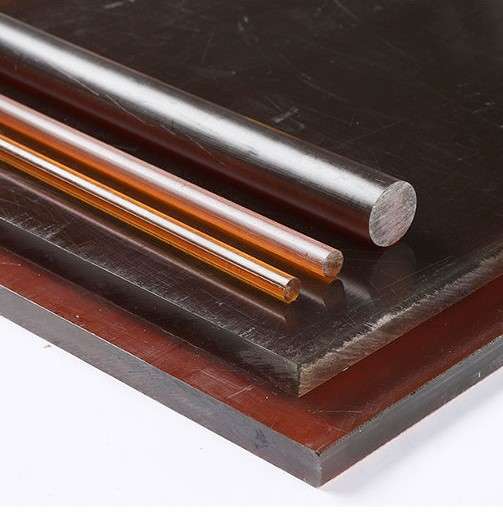
Ultem sheet and Ultem rod are used for machined components, electrical insulation parts, structural brackets, fixtures, and assemblies that need stable performance over a wide temperature range.
Looking for stock shapes fast? Start with our plastics search.
Ultem plastic: 7 reasons engineers choose it
When your environment is demanding, material choice sets the ceiling for performance. Here are the reasons Ultem plastic is frequently specified.
1) High heat resistance
Ultem plastic is used in elevated-temperature applications where many standard plastics soften, creep, or lose strength.
2) Strength and stiffness
PEI plastic offers strong mechanical performance for structural parts, fixtures, and components that must hold shape under load.
3) Dimensional stability
For precision parts, Ultem plastic helps reduce movement that can cause fit issues—especially when temperature changes are involved.
4) Electrical performance
Ultem plastic is commonly used for electrical insulation, housings, and components where dielectric performance matters.
5) Flame and smoke performance
In regulated industries, material selection may be driven by flame resistance and smoke characteristics. Ultem is often evaluated for these requirements depending on grade and certification needs.
If documentation or compliance is required, review certifications and testing.
6) Chemical resistance (application-dependent)
Ultem plastic resists many fluids and hydrocarbons, but chemical compatibility should always be confirmed for cleaners, solvents, and washdowns.
7) Availability in stock shapes
For grades and forms we supply, see Ultem products.
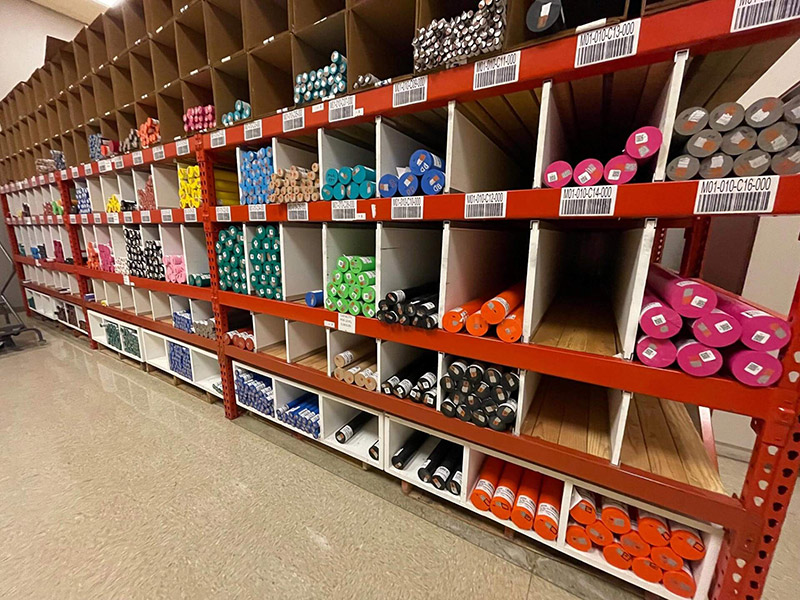
Ultem sheet and Ultem rod are available for machining into prototypes and production parts without long tooling lead times.
Common applications for Ultem sheet and rod
- Electrical insulation components and housings
- High-temperature fixtures, nests, and tooling plates
- Aerospace and transportation interior components (grade/certification dependent)
- Medical and laboratory components where consistency and documentation matter (requirements dependent)
- Semiconductor and electronics support parts (application dependent)
The best way to confirm Ultem plastic is right for your job is to define the environment: temperature, mechanical load, electrical needs, chemical exposure, and any regulatory requirements.
If you want help sourcing + machining together, see our services.
Machining and fabrication notes
Ultem plastic machines well with the right setup, but like most high-performance plastics, heat control and tooling selection matter.
For tighter tolerances and repeat parts, explore plastic machining.
- Use sharp tooling and stable workholding to prevent chatter and heat buildup.
- Plan for tolerances based on part geometry and service temperature.
- Consider edge finishing and surface requirements early (cosmetic vs functional).
- For assemblies, confirm fastener/inserts strategy and expansion behavior.
If you’re unsure how PEI plastic will behave in your design, a plastics-focused machining partner can recommend tolerance targets that balance performance and cost.
When Ultem may not be the best fit
Ultem plastic is high-performance—but it isn’t the answer for every application.
- If the part is primarily for low-cost disposable use, other plastics may be better.
- If the environment includes aggressive solvents, confirm compatibility or consider alternative materials.
- If optical clarity is the priority, other transparent plastics may be more appropriate.
Frequently Asked Questions
Is Ultem plastic the same as PEI plastic?
Ultem is a widely used trade name; PEI (polyetherimide) is the polymer family. Many people use “Ultem plastic” to refer to PEI stock shapes and parts.
What forms does Ultem come in?
Ultem is commonly available in stock shapes like Ultem sheet and Ultem rod, which can be machined into custom parts.
Can Ultem plastic be CNC machined?
Yes. With the right tooling, workholding, and heat control, Ultem plastic can be machined to tight tolerances for functional parts.
When should I choose Ultem over other engineering plastics?
When heat resistance, stiffness, electrical performance, and dimensional stability are critical—and when the application justifies a high-performance material.
0 Comments